Source Salon Laser Hair Growth Machine for Clinics, Salons, and Home
Explore 30 options for a salon laser hair growth machine, including diode and E-light models with LCD displays. Compare specifications like 650nm wavelength and power ratings to find suitable equipment for professional and personal use; compare the available evidence and request quotations based on your requirements.
Key considerations
Products List




Comprehensive Sourcing Guide
Salon Laser Hair Growth Machine Sourcing Guide
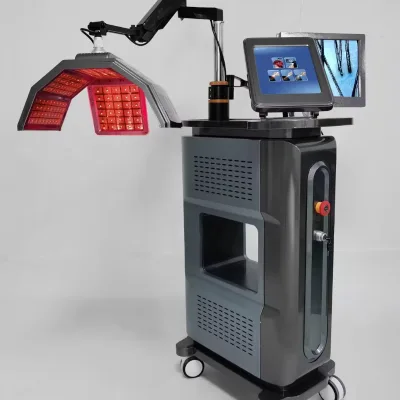
Procurement professionals must first distinguish between handheld comb devices and larger multi-functional beauty equipment when sourcing salon-grade laser hair growth solutions. The market presents distinct product categories, ranging from portable 650nm diode laser combs designed for targeted scalp stimulation to larger E-Light machines featuring vibration massage and HD detection capabilities. Buyers should verify whether the specific unit supports single-item sales or requires bulk ordering, as this impacts initial inventory investment and operational flexibility for salon owners.
Understanding the physical form factor is critical for salon integration, as some units are explicitly marked as non-portable while others are designed for mobility. The observed product range includes devices with LCD displays for precise parameter control and those relying on manual operation. Sourcing teams must align the physical dimensions and weight of the equipment with their salon's spatial constraints, ensuring that the chosen machine fits the treatment area without obstructing workflow or compromising the client experience during sessions.
Product Scope and Observed Listing Signals
The current market listings reveal a diverse array of product names and descriptions, including terms like "Laser Therapy Hair Growth Comb" and "Beauty Machine 650nm Laser Hair Regrowth." These variations indicate that suppliers often use different marketing terminology for similar underlying technologies, necessitating careful review of the actual technical specifications rather than relying solely on the product title. Buyers should expect to find devices labeled with specific model numbers such as Lyd-Jx-199 or KYA-H015C, which serve as unique identifiers for the specific configuration and feature set of the unit.
Listing signals also highlight significant variations in material composition and color options, with products appearing in white, black, or plastic finishes. Some units are described as multifunctional, combining laser therapy with vibration massage, while others focus strictly on hair regrowth stimulation. Procurement teams must scrutinize the "Product Name" and "Feature" fields to confirm that the device includes the specific capabilities required, such as USB connectivity or specific power supply types, as these attributes vary widely across the available inventory.
Technical Specifications to Verify
Technical due diligence requires a rigorous verification of the wavelength and energy output, as these parameters directly influence treatment efficacy and safety. The observed data indicates a standard wavelength of 650nm for diode laser devices, which is a common specification for hair growth applications, while other units may utilize E-Light technology with different energy outputs like 8 J/Cm2. Buyers must confirm the exact working frequency and power ratings, such as 350W or 24V, to ensure the equipment matches the electrical infrastructure of their salon and delivers the intended therapeutic results.
Power supply compatibility is another critical technical specification that demands immediate attention, as listings show a mix of AC power requirements and specific voltage ranges like 100V-120V or 220V-240V. Additionally, the presence or absence of features like USB connectivity and LCD displays can significantly alter the user interface and operational ease. Sourcing teams should request detailed datasheets to validate the plug type, such as US standards, and ensure the device's electrical characteristics align with the local power grid to prevent operational failures or safety hazards.
Compliance and Safety Documentation
Regulatory compliance is a non-negotiable aspect of sourcing medical-grade beauty equipment, with CE certification appearing as a key requirement for many listed products. Buyers must verify that the supplier provides valid, up-to-date certification documents that correspond to the specific model being purchased, as the presence of a certification mark does not guarantee that every unit in a batch meets the same safety standards. It is essential to cross-reference the certification details with the product model number to ensure that the device has undergone the necessary testing for electrical safety and electromagnetic compatibility.
Beyond basic electrical safety, procurement teams should investigate whether the equipment adheres to industry-specific standards such as ISO13485, which relates to quality management systems for medical devices. While some listings mention ISOGroup:Adult, the specific application of these standards to the device's intended use must be confirmed through direct supplier communication. Ensuring that the product meets the relevant safety protocols protects the salon from liability and ensures that the treatments provided to clients are conducted within a legally compliant framework.
Cost Drivers and Commercial Terms
The pricing landscape for salon laser hair growth machines is highly variable, with observed listing prices ranging from 46 to 5900 USD depending on the complexity and feature set of the device. This wide disparity suggests that cost is driven by factors such as the inclusion of advanced technologies like HD detection, the quality of materials used, and the presence of additional features like vibration massage or LCD interfaces. Buyers should analyze the price-to-feature ratio carefully, avoiding the assumption that the lowest price offers the best value or that the highest price guarantees superior performance without further verification.
Commercial terms, including Minimum Order Quantity (MOQ) and packaging specifications, also play a significant role in the total cost of ownership. Listings indicate MOQs as low as 1 to 2 units, which allows for flexible purchasing strategies, but packaging varies from carton packages to wooden crates, impacting shipping costs and product protection. Procurement teams must calculate the total landed cost by factoring in these packaging requirements and any potential bulk discounts, ensuring that the financial terms align with the salon's budget and inventory management goals.
Supplier Qualification and Quality Control
Supplier qualification should begin with a thorough review of the product origin, as the majority of observed listings indicate production in Guangzhou or Guangdong, China. While these regions are known for manufacturing capabilities, buyers must verify the specific factory's reputation and production capacity to ensure consistent quality and reliable delivery schedules. It is advisable to request evidence of the supplier's manufacturing processes and quality control measures, particularly for devices that combine multiple technologies like laser therapy and vibration massage.
Quality control protocols must be established to verify that the delivered units match the specifications provided in the listing, including model numbers, materials, and functional features. Buyers should insist on pre-shipment inspections that test critical parameters such as wavelength accuracy, power output, and the functionality of the LCD display. Establishing a clear communication channel with the supplier to address any discrepancies between the ordered specifications and the actual product received is essential for maintaining high standards of equipment quality in the salon environment.
Long-Term Procurement Checks
Sourcing decisions should be evaluated based on the long-term availability of spare parts and the supplier's commitment to after-sales support. Devices with complex features like HD detection or specific energy outputs may require specialized maintenance or replacement components that are not universally available. Buyers must confirm the supplier's policy on warranty coverage and the availability of technical support to ensure that the equipment remains operational throughout its intended lifespan without incurring excessive downtime or repair costs.
Finally, procurement teams should monitor the evolution of the product line to ensure that the purchased equipment remains relevant and compliant with future regulatory changes. As technology advances, suppliers may update their models with improved features or updated safety standards, and buyers should stay informed about these developments to make informed decisions about future upgrades or replacements. Establishing a long-term relationship with a reliable supplier can facilitate smoother transitions and ensure that the salon continues to offer the most effective and safe hair growth treatments to its clients.
FAQs
What is the typical wavelength for these devices?
The typical wavelength is 650nm, which is standard for diode laser hair growth combs. This specific red light spectrum targets hair follicles to stimulate regrowth. Most listed models operate at this frequency to ensure effective treatment for hair loss and scalp care in both salon and home settings.
Can I customize the product packaging?
Yes, customization is available for these laser therapy devices. Buyers can often select between carton packages or wooden packaging depending on their shipping needs. This flexibility allows businesses to protect the equipment during transit while aligning with their brand presentation requirements for salon or retail distribution.
Which certifications are commonly provided?
Common certifications include CE and ISOGroup:Adult standards. These documents verify that the beauty machines meet specific safety and quality regulations for international trade. Buyers should request these certificates to ensure compliance with local market requirements before importing salon laser hair growth machines from Chinese manufacturers.
What is the minimum order quantity?
The minimum order quantity typically ranges from 1 to 2 units. This low MOQ allows small businesses or individual buyers to test the product quality before committing to larger purchases. It provides flexibility for sourcing agents looking to sample different models like the Lyd-Jx-199 or KYA-H015C.
Are these machines portable for home use?
Portability varies by model, with some listed as non-portable salon equipment. Larger units may require AC power and weigh significant amounts, while smaller combs are designed for handheld use. Buyers should check the specific dimensions and weight specifications to determine if a model suits their intended salon or home application.
What power supply options are available?
Most devices support AC power supply with voltage options like 100V-120V or 220V-240V. This ensures compatibility with electrical systems in different regions. Some models may feature specific plug types, such as US plugs, so buyers must verify the electrical requirements to match their local infrastructure safely.